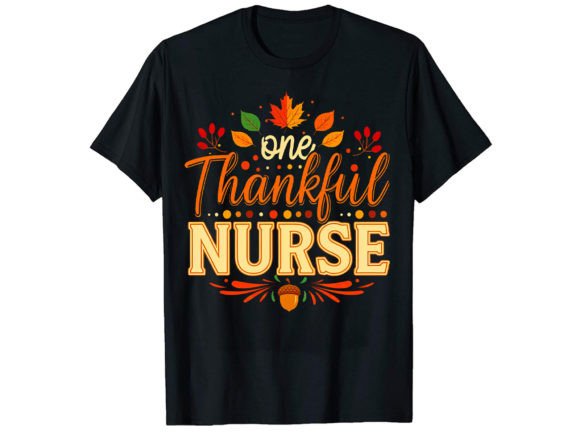
One Thankful Nurse T-Shirt Design
The Silent Gratitude in a Single Graphic
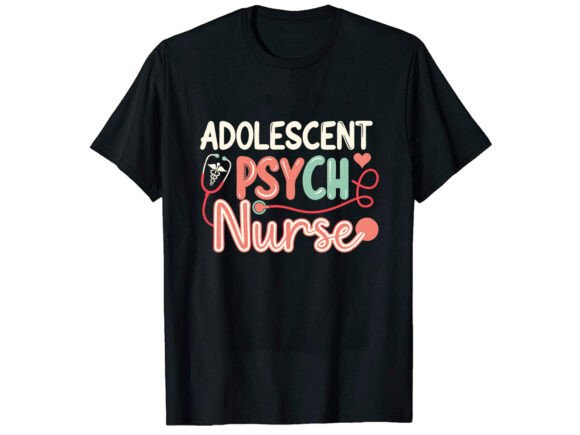
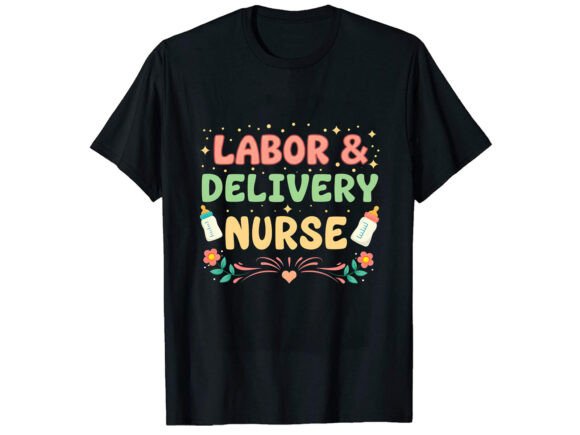
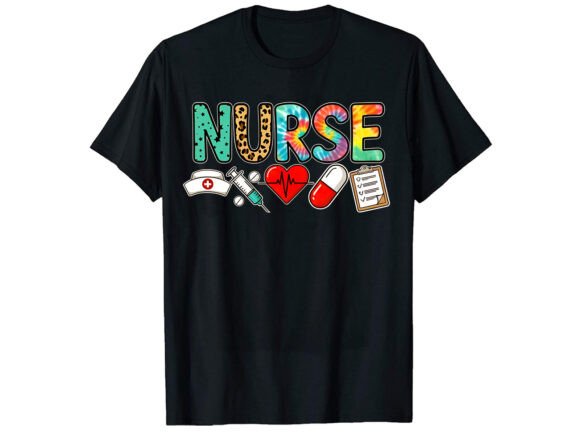
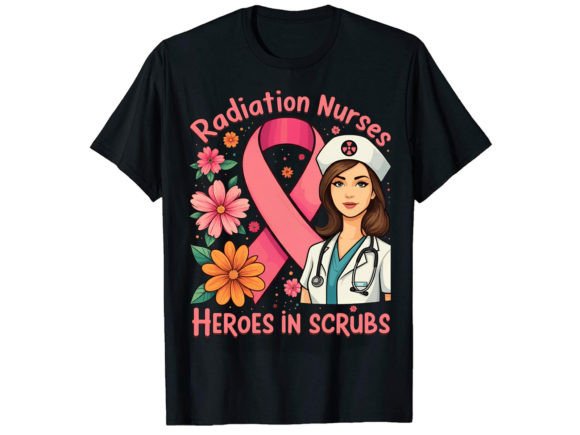
When I first opened the One Thankful Nurse T-Shirt Design, I wasn’t just looking at a file. I was seeing a quiet, steady mood—the kind of visual that doesn’t shout but settles into a genuine, warm thankfulness. The layout feels clean and intentional, with a balance that suggests it was built for someone who wants to say something meaningful without overcomplicating the stitch. The typography carries a gentle weight, and any accompanying iconography—whether it’s a subtle medical cross, a heart, or a simple line accent—reads as supportive rather than decorative clutter. From an embroidery designer’s eye, that’s a promising start. A design that already feels composed on screen often translates into a cleaner project on the hoop, with fewer headaches around stitch order and density.
I couldn’t help but imagine how this would land on a finished product. It doesn’t scream seasonal or trendy. It feels like a small, permanent gesture—something you’d stitch onto a gift that gets kept for years, not tossed into a drawer. That’s exactly the kind of asset a craft business needs. It’s not just a pretty graphic; it’s a conversation starter, a quiet nod to someone’s hard work. And in the world of handmade goods, that emotional pull is what turns a simple item into a sale.
From Screen to Stitch: A Real Project Test
Let me walk you through a real scenario. I was preparing a custom embroidered tote bag for a nurse friend who had just finished a brutal stretch of night shifts. The canvas was a natural oatmeal-colored cotton, sturdy but not stiff. I needed a design that felt personal but not overly cute—something an adult would actually carry without embarrassment. The One Thankful Nurse T-Shirt Design landed on my shortlist fast. I visualized it in a deep navy thread, the satin stitches on the main lettering giving a subtle sheen, with a soft fill stitch behind any secondary elements. The contrast would be crisp, the readability high. I could already picture her reaction: not a polite smile, but a real pause, a little catch of appreciation.
But this isn’t just about one tote bag. The same design could pivot easily to a sweatshirt for a nursing student, a set of personalized tea towels for a clinic break room, or even a patch applied to a scrub cap. That versatility is what I look for in a design asset. It’s not locked into a single product category. It’s a theme that can wander across your entire shop inventory: mugs, posters, hoodies, stickers, you name it. But for embroidery, we have to think about how the stitches actually behave on each surface. And that’s where the real evaluation begins.
Where This Design Excels in Embroidery
Based on the visual weight of the One Thankful Nurse T-Shirt Design, I’d place it on flat, stable, medium-weight fabrics first. Think structured t-shirts, canvas tote bags, aprons, pillow covers, and even uncomplicated quilt blocks. The layout seems to occupy a comfortable rectangular space, which means it can fill a standard hoop without feeling cramped or lost. On a sweatshirt, it would sit nicely across the chest, offering a personal touch that doesn’t overwhelm the garment. On a set of kitchen towels, it would add a thoughtful layer to a practical gift, especially if you pair it with a matching oven mitt or a simple ribbon tie.
I also see strong potential for personalized gifts. A nurse’s name or a small date added beneath the main design could make it a one-of-a-kind keepsake. For small business owners, this means you can offer a “customized” version without redigitizing the entire file—just add a simple text element underneath. It’s a smart way to stretch a single design into multiple listings. For wearable items, I’d prioritize soft, breathable fabrics like cotton or linen blends. The design’s clean lines would hold up well on a short-sleeve tee, but I’d also test it on a long-sleeve option for cooler months. This isn’t a design that screams summer; it’s seasonless, which is a huge advantage for inventory planning.
The Tricky Spots No One Talks About
Now, let’s get honest about the limitations. The One Thankful Nurse T-Shirt Design is not a one-size-fits-all solution. If you’re thinking about shrinking it down for a baby onesie, a cap front, or a thin zipper pouch, you’ll need to scrutinize the detail level. Tiny lettering can become illegible under a needle, especially if the stitch density isn’t adjusted. I’d avoid placing this on highly textured fabrics like terry cloth or chunky knit, where the fine lines might disappear into the pile. Stretchy fabrics—think performance tees or thin jersey—require extra stabilizer and a topper to prevent the stitches from sinking or distorting. Without that, the design can look puckered after the first wash, and that’s a quick way to lose a customer’s trust.
Dark fabrics are another challenge. The design might look brilliant on a light background, but on a black or charcoal shirt, you’ll need to test thread colors relentlessly. A light gray or white thread could work, but you might lose the subtle shading that gave the design its warmth. I always recommend doing a quick black-and-white mockup first. If the design loses its emotional tone in high contrast, you might need to tweak the digitizing or add a darker outline. Also, curved surfaces like caps or small bags can distort the layout. The rectangular balance you admired on a flat sheet might warp around a cap’s curve, making the lettering look tilted. Test it on a scrap of similar fabric before committing to a full run.
A Designer’s Pre-Stitch Ritual for This Asset
Before I let any design near my machine, I run through a mental checklist that’s saved me from countless ruined blanks. For the One Thankful Nurse T-Shirt Design, here’s what I’d do:
- Test the digitized version on scrap fabric. This is non-negotiable. The PNG file you received is a graphic, not an embroidery file. You’ll need to digitize it yourself or hire a professional. Check the stitch count and density once it’s converted. Too dense, and the fabric puckers; too loose, and the design looks hollow.
- Check thread color contrast on multiple backgrounds. I’d stitch a small sample on light beige, medium gray, and dark navy. The emotional tone should hold across all three. If it doesn’t, adjust the thread palette or add a subtle underlay.
- Inspect small details under magnification. Any tiny serifs, dots, or decorative lines need to be thick enough to register as stitches. If they’re too fine, simplify them in the digitizing software. A clean, slightly simplified version often looks more professional than a pixel-perfect copy that creates thread breaks.
- Confirm hoop size and placement. Measure the design’s dimensions after digitizing and ensure it fits your most-used hoop. If you’re a small shop, you don’t want to buy a specialty hoop just for one design. Keep it versatile.
- Use the right stabilizer. For a t-shirt, I’d go with a medium-weight cutaway stabilizer. For a tote bag, a tear-away might suffice, but I’d add a water-soluble topper for any dense text areas. The fabric choice determines the stabilizer, not the design itself.
I’d also run the design through a mental “giftability” test. If I handed this to a tired nurse after a long shift, would they feel seen? From the visual weight of the One Thankful Nurse T-Shirt Design, the answer is a strong yes. But that only works if the stitching is crisp, the colors are true, and the fabric feels good against the skin. A beautiful design on a scratchy, poorly stabilized garment is a missed opportunity.
The Handmade Value This Brings to Your Shop
When a customer picks up an embroidered item with this design, they’re not just buying a product—they’re buying recognition. It says, “I see what you do,” without a single spoken word. That emotional pull can turn a simple tote bag into a bestseller at a craft fair, or elevate a $15 t-shirt into a $35 boutique item. For Etsy sellers, this fits squarely into the “nurse gift” category, which sees consistent traffic year-round, not just during holidays. But it also branches into teacher gifts, caregiver appreciation, and even home decor for a nurse’s personal space. A framed embroidered hoop art with this design? That’s a quiet, beautiful thing.
I’ve seen too many makers overlook the power of a cohesive theme. If you’re selling mugs, stickers, and prints alongside embroidered items, the One Thankful Nurse T-Shirt Design can tie them all together. The PNG and mockup provided in the product listing give you a head start on creating a unified brand look. Use the mockup to photograph your finished embroidery piece, or display the graphic on your digital listings to show customers what they’re getting. Professional presentation builds trust. When a buyer sees a clean, well-lit mockup matching the actual stitched product, they’re more likely to hit “add to cart.”
The Unspoken Rule About Commercial Use
Here’s a practical note I always include in my reviews: check the license. The product description says you’ll get a PNG file and a mockup. It lists uses like t-shirts, banners, mugs, and stickers. But it doesn’t explicitly state the commercial embroidery terms. Before you digitize this design and sell finished items—whether on Etsy, at a craft fair, or through your own website—confirm that commercial use is allowed. Many graphic designers sell their work with a personal-use-only license, or they require an extended license for physical products. Don’t assume. A quick message to the seller can save you from a legal headache later.
Also, remember that this is a graphic, not a pre-digitized embroidery file. You’ll need to invest time or money into converting it. If you’re new to digitizing, consider hiring a professional who understands how to preserve the gentle, heartfelt tone of the design. A rushed auto-digitized version can turn a tender message into a stiff, robotic stitch—and that defeats the whole purpose. For those who sell digital design assets, this graphic could also be used as a printable mockup to showcase your own embroidery work, but again, check the terms. Some designers restrict how their mockups are used in commercial listings.
Last Thoughts for the Maker’s Workbench
I’ve stitched enough designs to know that the best ones aren’t always the flashiest. The One Thankful Nurse T-Shirt Design brings a quiet confidence to the table. It’s not trying to dazzle you with intricate details or bold colors. It’s offering a steady, honest message that stitches up cleanly and connects with people on a human level. For a craft business, that’s gold. It’s the kind of design that builds repeat customers—because someone buys a tote bag for their nurse friend, the friend gets a compliment, and then another order comes in a week later.
If you’re a hobbyist, this is a satisfying project to personalize for someone you care about. If you’re a small shop owner, it’s a practical asset that can stretch across multiple product lines. Just treat it with the care it deserves: test your threads, choose your stabilizer wisely, and always, always stitch a sample before you list it. The emotional value of a well-made embroidered piece is immense, but it only lands when the craftsmanship matches the sentiment. From what I see in the One Thankful Nurse T-Shirt Design, the sentiment is already there. It’s your job to make sure the stitches do it justice.