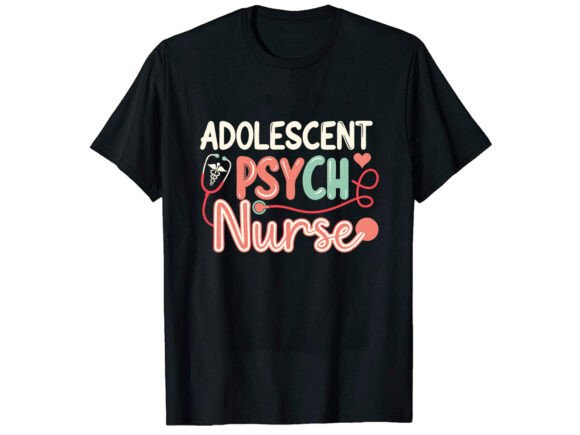
A Practical Review of the Adolescent Psych Nurse T-Shirt Design
As someone who’s spent years embroidering for clients and my own small shop, I always look at a new design with a practical eye. It’s not just about whether it’s pretty; it’s about how it performs on fabric, what mood it carries, and if it makes sense for a real project. Let’s talk about the Adolescent Psych Nurse T-Shirt Design from that perspective.
First Impressions: Mood and Personality
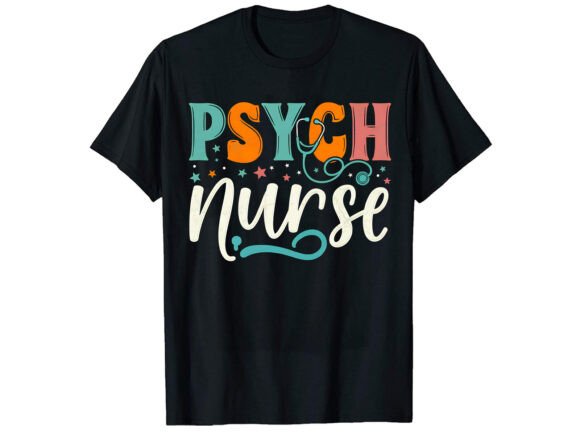
The immediate feeling here is one of thoughtful recognition. The theme speaks directly to a specific profession with care and respect. For an embroidery designer, this means the design isn’t just decorative; it’s symbolic. The layout and detail level suggest a design that’s meant to be clear and impactful, not overly cluttered. Visually, it carries a personality of quiet professionalism with a hint of heart—perfect for a personalized gift or a piece of custom apparel that says “this is who I am and what I do.”
This isn’t a generic graphic. It belongs naturally to projects meant for someone in that field, or perhaps for a supportive friend or family member. It feels like it would be a centerpiece, not an accent.
Where This Design Shines in Real Projects
Given its theme and likely composition, the Adolescent Psych Nurse T-Shirt Design would be a strong choice for items meant to be worn or displayed with pride. Think about a custom embroidered sweatshirt for a nurse, a tote bag for work, or a sturdy patch on a backpack. The high-resolution file mentioned suggests it can scale well, so it could work on larger surfaces like a pillow cover for a home office or a decorative tea towel in a kitchen.
For small business owners and Etsy sellers, this fits into niches like personalized nurse gifts, appreciation merchandise, or boutique products for medical professionals. As a craft business item, it could elevate a simple cap or apron into something with real meaning. I can easily imagine it as a holiday gift—something heartfelt and unique, far from a store-bought card.
In terms of embroidery itself, a design like this, with clear shapes and likely good contrast, should stitch out with decent clarity if the file is well-digitized. It would be suitable for machine embroidery on stable fabrics like cotton twill for tote bags, mid-weight sweatshirt material, or canvas for patches. The scale (4500×5400 at 300 dpi) indicates it’s print-ready, but for embroidery, you’d need a proper embroidery file conversion. That’s a crucial step—this PNG is a starting asset, not the final embroidery file.
Scenarios for Careful Use and Testing
Now, let’s walk through a real-life scenario. Suppose I’m preparing a custom embroidered tote bag as a gift for a nurse finishing a tough rotation. I’ve chosen this design. My first thought isn’t about the beauty of the design; it’s about practicality. How will those details look after stitching? Will small lettering, if present, become a blur of dense satin stitch? How does it handle the textured fabric of the bag?
Here’s where an experienced maker slows down. This design should be used carefully on small hoop sizes if the details are fine. It might not be ideal for thin, stretchy fabric like a lightweight t-shirt unless you use excellent stabilizer, as the stitch density could pucker the material. Embroidering on dark fabric requires thoughtful thread color choices for contrast. Curved surfaces like caps can distort a design with rigid layout; you’d need to test placement.
Products that need frequent washing, like baby clothes (though this theme is likely for adults) or kitchen towels, require a robust stitch construction. You’d want to check that the fill stitches are dense enough to withstand wear but not so dense they stiffen the fabric.
The Impact on Your Work and Your Customer
Using a design with such a specific theme affects everything. For visual appeal, it creates instant recognition, which boosts the perceived value of your handmade product. A nurse receiving this on a hoodie would likely appreciate the tailored thoughtfulness far more than a generic “nurse” text.
Stitching clarity is paramount here. If the design stitches out cleanly, it builds customer trust and presents your work as professional. It enhances the handmade presentation by showing you chose a design with purpose. For brand consistency if you run a shop for medical appreciation gifts, it fits perfectly.
Its giftability is high. Its professionalism is inherent. For buyer engagement in an Etsy listing or at a craft fair, it speaks directly to a niche audience, making it easier for the right person to connect with your product.
Practical Notes for the Embroidery Designer
Before you run this design on a client’s item or your own merchandise, do the groundwork.
- Test on scrap fabric first. Use the same material and weight as your final project.
- Check thread color contrast for both light and dark fabric backgrounds. The PNG mockup is a guide, but thread is different.
- Review the stitch density in your converted embroidery file. Is it appropriate for your fabric?
- Confirm the hoop size needed. Does it fit your machine’s capabilities and the item’s size?
- Inspect small details. Will they translate clearly into stitches?
- Test the design concept in black and white mockups to see if the composition holds without color.
- Always use the proper stabilizer for your fabric type; this isn’t a step to skip.
- Most importantly, check the licensing. The product description mentions it’s for various uses, but you must confirm explicitly if it’s cleared for commercial use before selling finished items or digital products derived from it. Don’t assume.
Remember, the provided PNG file is a graphics asset. For machine embroidery, you need a properly digitized embroidery file with settings for satin stitches, fill stitches, and running stitches tailored to your machine. This review is based on the design’s artistic and practical potential for an embroidery project, not on specific embroidery file parameters that aren’t provided.
Final Thoughts for Makers
The Adolescent Psych Nurse T-Shirt Design has a strong, purposeful core. It’s a graphics asset with clear commercial potential for crafters targeting a specific, appreciative audience. For real embroidery work, its success hinges on a professional digitization conversion and your meticulous testing. It’s not a design for a quick, careless stitch-out. It’s for projects where the meaning matters as much as the aesthetics. If you serve that niche, this design could become a valuable part of your embroidery project portfolio, helping you create finished products that feel both personal and professional.