Radiation Nurse Herose T-Shirt Design: A Designer’s Honest Review
Every embroidery design is a promise. It promises to translate beautifully from screen to stitches, to resonate with its wearer, and to withstand the practical realities of being a finished product. When I look at the Radiation Nurse Herose T-Shirt Design, I’m immediately thinking about that journey—from a PNG file on my computer to an embroidered item in someone’s hands. Let’s walk through what this design offers for real project use.
The First Impression: Strong, Celebratory, and Ready for Fabric
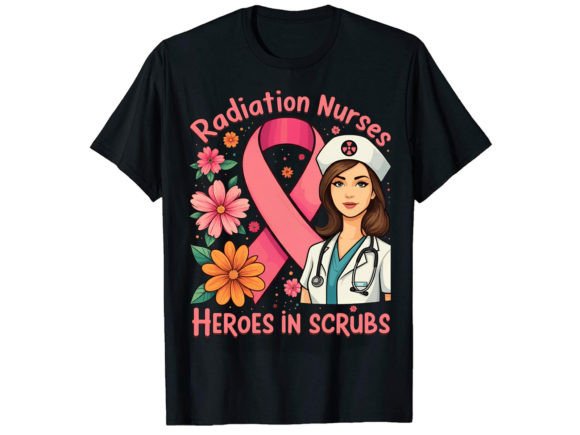
This design hits you with a bold, celebratory mood. The layout is centered and declarative, making it a classic choice for apparel and gifts meant to honor someone. The detail level in the artwork, given the high-resolution PNG, suggests clean lines and distinct shapes, which is a great starting point for embroidery. It doesn’t feel overly fussy or packed with tiny elements that might vanish in stitching. The visual personality is straightforward and proud, perfect for a personalized gift or merchandise for a small shop catering to medical professionals or their supporters.
Where This Design Naturally Belongs
This isn’t a subtle design. It’s meant to be seen and appreciated. I’d instinctively reach for it when a client requests a custom sweatshirt or tote bag for a nurse finishing their radiation therapy training, or for a family wanting a special gift. It would shine on a heavyweight hoodie, a canvas tote, or even a crisp apron for a clinic event. The theme is so specific and honorable that it elevates simple items into meaningful keepsakes. For craft business owners, this is a design that tells a story, which is powerful for Etsy listings or craft fair products.
Performance in Real-Life Embroidery Situations
Thinking through actual applications, this design has a lot of potential. The print-ready file dimensions are generous, meaning you can scale it appropriately for different hoop sizes without losing integrity. For custom apparel, like a t-shirt or polo, I’d recommend a chest or back placement. It would be a standout feature on a baby onesie or blanket for a nurse’s newborn—a sweet nod to the parent’s profession. As an embroidered patch, it could be beautifully made and then applied to a cap or backpack.
For home decor, like a pillow cover or a kitchen towel in a nurse’s home, it adds a personal touch. The artwork’s clarity should translate well into satin stitches for the lettering and fill stitches for the main graphic elements, provided your digitization or the inherent shapes are clean. Using it as a focal point on a holiday gift, like a Christmas stocking for a nurse, would make it incredibly special. For boutique branding, if a small shop is run by or caters to nurses, this could be a core design for their merchandise.
Considerations for Careful Application
While the design is strong, some applications need forethought. On very small hoop sizes, the “Herose” lettering and any intricate details might become too dense, losing clarity. I’d avoid using it on highly textured or very thin, stretchy fabric without extensive testing; the stitch density required for solid areas could pucker or distort the base material.
On dark fabric, thread color contrast is paramount—light and bright threads will be essential. Embroidering on curved surfaces like caps requires careful positioning to keep the centered layout looking balanced. Always inspect the small details in a mockup first; ensure the design’s elements are distinct enough for the running stitches or satin stitches you plan to use. For products that need frequent washing, like work uniforms or kitchen towels, a robust stabilizer and quality threads are non-negotiable to maintain that handmade presentation and customer trust.
Impact on Your Project’s Success
Using a design like this affects more than just the stitch lines. It boosts the visual appeal and perceived value of the finished product. A well-executed embroidery of this theme on a tote bag feels like a premium, thoughtful item, not just a generic graphic. For customer trust and engagement, especially for Etsy sellers or digital product sellers offering completed items, it shows you understand a niche audience. The giftability is high—it’s instantly recognizable and deeply personal.
For brand consistency, if your craft business focuses on celebratory or professional themes, this design fits that portfolio neatly. It lends a sense of professionalism to the item because the subject matter is respected and the design is bold and clear. This all contributes to buyer engagement; people connect with designs that speak directly to an identity or achievement.
Practical Notes From the Embroidery Machine
Before you commit this to a client’s sweatshirt or your own small shop merchandise, do the groundwork. Test the design on scrap fabric first, ideally the same type you’ll use for the final product. Check thread color contrast against both light and dark backgrounds—the high-resolution mockup included can help visualize this, but real thread is different.
Review the stitch density in your embroidery file; you want clean fills without excessive buildup. Confirm your hoop size can accommodate the design at your chosen scale. Remember, the product provides a PNG file, which is excellent for print and mockups, but for machine embroidery, you’ll need a converted embroidery file. Always confirm the licensing terms before selling finished items or using it in commercial embroidery projects to protect your business.
Use proper stabilizer for the fabric, especially for layered garments like hoodies. And finally, consider its use for both personal and commercial projects. This design has the versatility for a one-off personalized gift and for a series of products in a small shop, provided your licensing allows. It’s a design asset with real heart, and with practical care, it can become a finished product that truly honors its subject.