This Nurse Loves the T-Shirt Design: A Designer's Honest Review
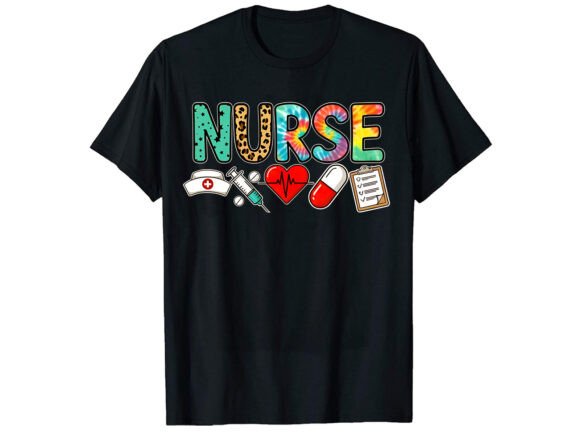
When a design lands on my screen, I do not just look at it. I imagine how it will feel stitched onto fabric, how the thread will catch light, and whether a customer would pick it up from a craft fair table without hesitation. The This Nurse Loves the T Shirt Design arrived as a clean PNG file with a helpful mockup, and I spent a good hour mentally walking it through every embroidery scenario I could think of. Here is what I found.
First Impression: Warmth With a Purpose
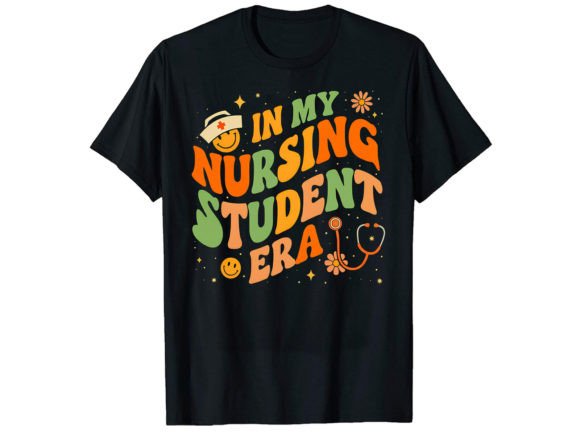
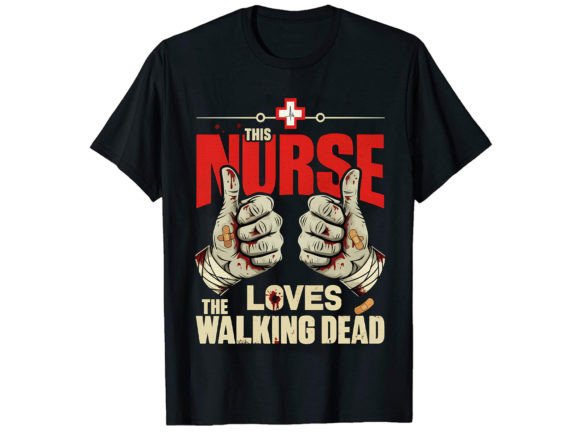
Opening the file, I immediately noticed the friendly, heartfelt personality of the lettering. The phrase carries an emotional charge that resonates with anyone in the nursing profession or anyone who loves a nurse. It is not overly ornate or cluttered with unnecessary decorative elements. The layout feels intentional, with a balance that would translate well onto a range of blank products. The mood is appreciative without being sentimental, and that is a difficult line to walk. Too many nurse-themed designs lean into cliché, but this one holds a genuine, understated warmth.
From an embroidery designer's perspective, the visual weight of the artwork matters. This design has a solid presence without overwhelming the eye. The shape is fairly central and compact, which means it would sit comfortably on a t-shirt chest, a tote bag panel, or a hoodie front without looking lost or squeezed. The 4500×5400 pixel resolution at 300 dpi gives plenty of room to scale the artwork down or crop as needed, which is essential when adapting a graphic for different product dimensions.
Where This Design Naturally Belongs
I pictured this design living on a soft cotton sweatshirt, the kind someone throws on after a long shift. The message is personal, and apparel that feels personal tends to sell well in small shops and Etsy listings. But beyond t-shirts, the design has broader potential. I could see it on a canvas tote bag carried by a nursing student, on a cozy fleece blanket gifted during Nurses Week, or centered on a simple apron for a healthcare worker who loves to cook on days off.
The mockup included in the download is a smart addition. For sellers who create digital product previews, having a ready-to-use mockup saves time and helps maintain a cohesive brand look. The mockup also gives a realistic preview of how the design sits on fabric, which is invaluable when you are deciding whether to invest time in digitizing the artwork for embroidery or testing it on a sublimation print.
For those running a craft business, this design fits into the personalized gift category beautifully. A stitched version on a baby blanket for a nurse's new arrival, a framed hoop art piece for a retirement party, or a set of embroidered pillow covers for a hospital break room all feel like natural fits. The design is versatile enough to move between apparel, home decor, and accessory products without losing its identity.
Thinking Through the Embroidery Reality
Here is where the practical design judgment kicks in. The This Nurse Loves the T Shirt Design is a PNG graphic, not a pre-digitized embroidery file. That means if you want to stitch it, you will need to digitize it yourself or hire a digitizer. The artwork gives you a high-quality starting point, but the transition from flat graphic to stitched design requires careful thought.
The lettering has a hand-drawn or script-like feel, which I appreciate. Script text can stitch out beautifully when digitized with a smooth satin stitch, but tiny connectors or thin upstrokes need attention. If the lettering gets too delicate at smaller sizes, those thin areas might disappear into the fabric texture or lose definition after washing. I would test this at multiple sizes before committing to a production run. A hoop size of 4×4 inches might work for a patch or a cap, but I would not go smaller than that without simplifying the lettering slightly.
On the flip side, the design does not appear to have overly dense fill areas. That is a relief. Heavy stitch density on lightweight fabrics like t-shirt cotton or jersey can cause puckering, and nobody wants a finished product that ripples around the design. The relatively open layout should breathe well, allowing the fabric to drape naturally even after stitching.
Fabric and Surface Considerations
Not every fabric welcomes embroidery with open arms. With this design, I would be cautious on highly textured fabrics like terry cloth or chunky knit sweaters, where the lettering details could get swallowed. Smooth, stable fabrics like cotton twill, linen, canvas, and quality jersey would be my top choices. For a tote bag project, a medium-weight canvas would hold the stitches crisply and give the design a professional finish.
Stretchy fabrics need extra care. If you are embroidering this onto a t-shirt or a hoodie, a good cut-away stabilizer is non-negotiable. The design's central placement means it will sit right where fabric stretches most across the chest, so stabilizing properly prevents distortion over time. I have learned this the hard way on past projects, and I always recommend testing on scrap fabric from the same batch before stitching the final piece.
Dark fabrics present another layer of consideration. The design's visual impact depends on contrast. On a black or navy sweatshirt, lighter thread colors will pop beautifully, but if the thread color is too close to the fabric, the message could fade into the background. I would test a few thread color combinations on dark, medium, and light fabric swatches to see which pairing delivers the strongest readability. The same principle applies to caps, where the curved surface and structured front panels can affect how the design sits. A flat embroidery area on a five-panel or six-panel cap would work better than a highly curved unstructured cap.
A Real Project Scenario: The Custom Tote Bag
Let me walk you through a real scenario I imagined while reviewing this design. A friend of mine runs a small handmade shop and wanted to create appreciation gifts for a local nursing team. She planned to embroider the design onto natural canvas tote bags and fill each one with small treats. The tote bag surface is flat and stable, the size is generous enough for a centered design, and the finished product would be both practical and meaningful.
Using the PNG file, she had a digitizer convert the artwork into a machine embroidery file. The digitizer adjusted the lettering connections to ensure smooth stitching and recommended a satin stitch for the main text with a light fill stitch for any decorative accents. The test stitch on scrap canvas revealed that the lettering needed a slight increase in width at the thinnest points to stitch cleanly. After that adjustment, the final tote bags looked polished and professional. Her customers responded with genuine emotion, and several ordered additional bags for family members in healthcare.
That scenario highlights why I value designs that start with clean, high-resolution artwork. The This Nurse Loves the T Shirt Design gave her a solid foundation to build on, and the included mockup helped her preview the concept before investing in digitizing and materials.
What Sellers and Makers Should Know
If you plan to sell finished products featuring this design, confirm the licensing terms before listing anything. The product description does not explicitly state whether commercial use is allowed, so I would reach out to the designer or check the license details included with the download. This is especially important for Etsy sellers, craft fair vendors, and anyone selling on multiple platforms. A design that is approved for personal use only limits your options, while a commercial license opens the door to boutique branding, custom orders, and wholesale opportunities.
For those who offer digital products, the PNG file and mockup are valuable design assets. You can use them to create listing images, social media previews, and product catalogs. The high resolution means you can crop in close or scale down without losing quality, which is a practical advantage when showcasing details to potential buyers.
One more note for embroidery designers testing this artwork: run a black and white version of the design to see how the values hold up without color. If the design reads well in grayscale, it will likely stitch clearly in thread. If certain areas blend together, you may need to adjust the contrast or simplify elements before digitizing.
Small Adjustments That Make a Big Difference
Thread color choice can transform the mood of this design. A crisp white thread on a navy tote bag feels classic and professional. A soft blush pink on a cream baby blanket shifts the tone toward gentle and nurturing. A bold red on a black cap adds energy and attitude. The design's message stays the same, but the thread color shapes how the finished product feels in someone's hands.
Stitch type matters too. Running stitch outlines can give the design a light, sketch-like quality suitable for delicate projects like tea towels or nursery decor. Satin stitch adds richness and shine, perfect for patches and apparel. Fill stitch areas need density checks to avoid stiffness, especially on items that will be worn or washed frequently.
I also recommend testing the design at the exact size you plan to use before stitching a batch. What looks perfect on screen at 4500×5400 pixels may need slight adjustments when scaled down to fit a 4×4 hoop or a cap front. The mockup helps with visualization, but nothing replaces a physical stitch-out on the intended fabric.
Honest Verdict From a Designer's Eye
The This Nurse Loves the T Shirt Design earns its place in a maker's toolkit. It is versatile, emotionally resonant, and built on a clean, high-resolution file that adapts well to multiple product types. The included mockup is a practical bonus that saves time and supports professional presentation. For embroidery designers, the artwork provides a strong starting point for digitizing, though the usual precautions around lettering thickness, fabric choice, stabilizer use, and stitch density apply.
I would confidently use this design for custom apparel, personalized gifts, boutique merchandise, and craft fair products. The nursing theme has enduring appeal, and the message feels genuine rather than generic. Whether stitched onto a sweatshirt, printed on a mug, or framed as hoop art, this design carries a warmth that connects with people. That is the kind of design worth keeping in your collection.