Evaluating the Nicu Nurse T-Shirt Design for Real Embroidery Projects
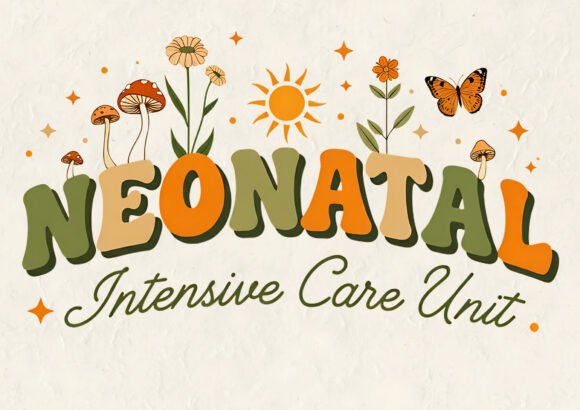
When a design file lands in my folder, my first question isn't about the file format or the resolution. It's about the story it tells when it’s stitched into fabric. The Nicu Nurse T-Shirt Design presents itself with a specific, heartfelt narrative right from the first glance. The mood is clear: appreciation, care, and a quiet, professional pride. The layout feels centered and grounded, a hallmark of designs meant to be worn or displayed as a badge of honor rather than just a casual graphic.
The Kind of Project This Design Naturally Belongs To
This isn't a whimsical, all-purpose graphic. Its personality points directly towards commemorative and gift-oriented embroidery projects. I immediately picture it stitched onto a soft, premium sweatshirt for a nurse celebrating a career milestone, or as a meticulously crafted patch on a tote bag used by a nursing student. The detail level implied by the high-resolution file suggests it can handle the nuance needed for a meaningful, high-value item. It feels destined for projects where the finished product carries emotional weight—a personalized gift for a colleague, a boutique-style item in a shop catering to medical professionals, or a special keepsake blanket for a family thanking their NICU nurse.
How It Performs in Real-Life Embroidery Situations
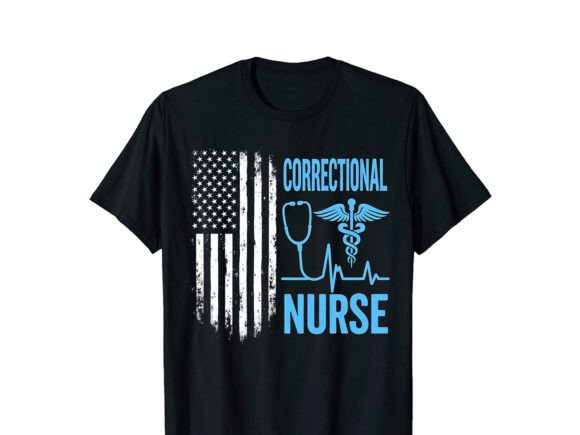
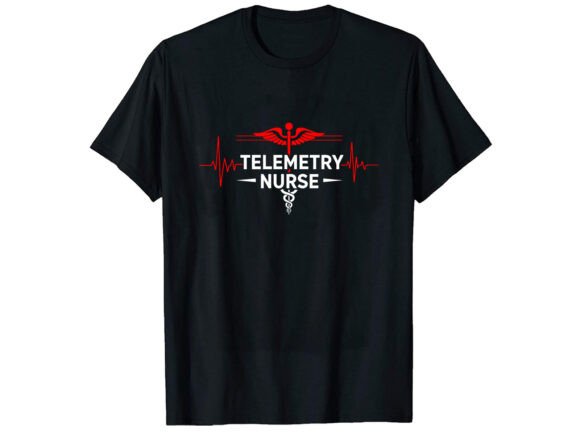
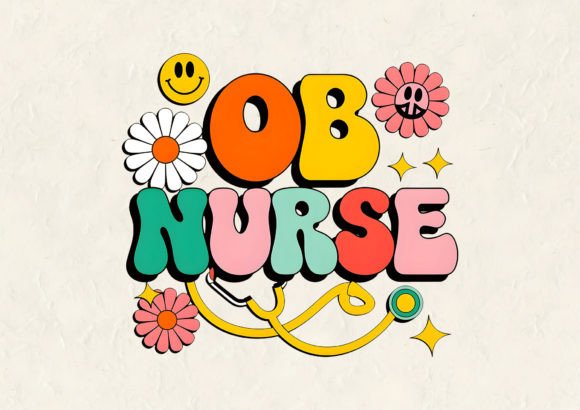
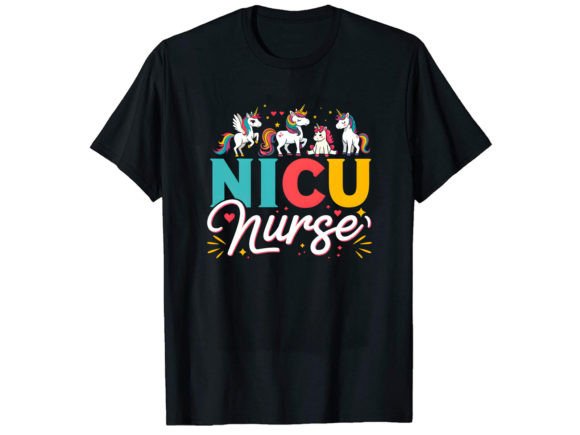
Let’s walk through a real scenario. Imagine you’re preparing a custom embroidered tote bag as a thank-you gift. You’ve chosen a sturdy canvas fabric. The Nicu Nurse T-Shirt Design, with its likely clear typography and central motif, will need to be scaled appropriately. On a large surface like a tote, its impact is significant; it becomes a statement piece. On a baby onesie or a delicate pillow cover for a nursery, it transforms into a softer, more intimate emblem. The provided mockup is a crucial starting point, but the true test is how the design translates into stitches.
For apparel decorators considering t-shirts or hoodies, the design’s balance is key. It should sit well on the chest without feeling too heavy or too sparse. For crafters making patches, the clarity of the elements will determine how well it stands alone when bordered and applied to caps or jackets. In every case—from tea towels in a small shop to holiday gifts for medical staff—the design’s inherent theme drives the product’s value and buyer engagement. It speaks directly to a community, fostering recognition and trust in your craftsmanship.
Where This Design Requires Careful Consideration
While the potential is strong, practical judgment is essential. The description notes a PNG file, which is print-ready, but for machine embroidery, you’ll need a proper embroidery file format. This is a critical first step: confirm you have the correct embroidery file for your machine before any hoop is loaded.
Assuming a vector-based embroidery file is available, the next considerations are physical. Small hoop sizes could compress the details, making tiny lettering or intricate corners lose definition. Embroidering on textured fabrics like certain sweaters, or on stretchy fabrics for t-shirts, demands the right stabilizer to prevent distortion. Dark fabric backgrounds require a thoughtful choice of thread colors for contrast—a test on scrap fabric is non-negotiable here.
Curved surfaces like caps present a layout challenge; does the design’s layout adapt well to a curved area without losing its heart? Also, consider stitch density. Areas that look dense in the PNG might translate into very solid fill stitch regions, which could be stiff on lightweight fabrics like thin polos or baby clothes. For items that need frequent washing, such as kitchen towels or everyday apparel, you’ll want to ensure the stitch structure is robust enough to endure.
Practical Notes for Embroidery Designers & Makers
My process with any design like this involves a checklist. First, test it on a scrap of the actual fabric texture you intend to use. This reveals how the stitch density behaves and if any small details get lost. Check the thread color contrast against both light and dark backgrounds—sometimes a design needs a slight color adjustment to pop on a specific material.
Review the design in a black-and-white mockup to understand its form without color distraction. Confirm the necessary hoop size to achieve the clarity you want. Crucially, for anyone selling finished products or digital embroidery files, confirm the licensing terms. The product description mentions use for various items, but clear, written licensing for commercial use is the bedrock of a responsible craft business.
For Etsy sellers and small shop owners, this design can elevate a product line. It adds a niche, professional offering. Using the included mockup for your listings is a start, but showcasing an actual embroidered patch or a photographed custom apparel item builds far greater customer trust and communicates handmade product quality.
The Final Impression: Value Beyond the Graphic
The Nicu Nurse T-Shirt Design succeeds by having a focused purpose. In the world of embroidery projects, that specificity is a strength, not a limitation. It guides you towards projects with genuine meaning. Its visual appeal, when stitched well, comes from its sincerity. It’s not a flashy trend; it’s a respectful tribute. This directly impacts the product value, giftability, and perceived professionalism of your work.
For creative entrepreneurs, it represents a reliable design asset for a particular market. It encourages you to think about fabric choices, presentation, and the story behind the stitch. Whether you’re creating a one-off personalized gift or building a line of commercial embroidery products for healthcare appreciators, this design provides a solid, emotive foundation. The final judgment, as always, comes from the needle and thread. But from my point of view, this design is ready to do honest, beautiful work.