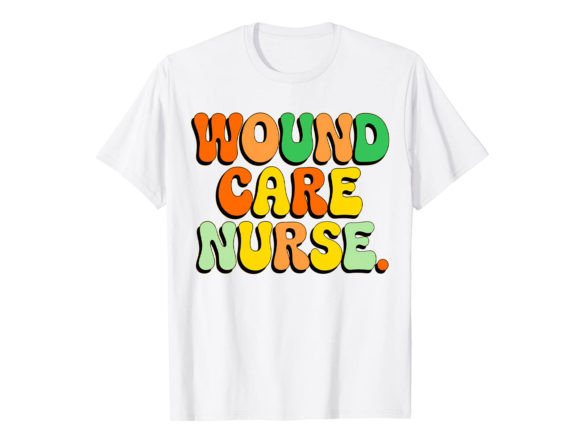
Wound Care Nurse T-Shirt Design
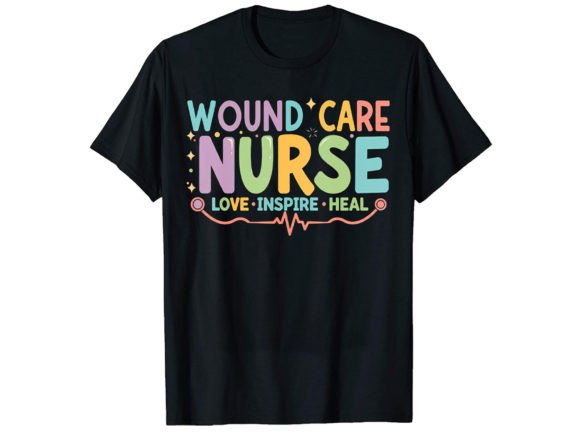
When I first opened the Wound Care Nurse T-Shirt Design, I immediately felt a strong sense of empathy and quiet pride. It isn’t a loud, flashy graphic. Instead, it carries a calm, respectful tone that feels perfectly suited for healthcare professionals who spend their days caring for delicate wounds and comforting patients. The layout centers on a clean, bold focal point — likely a bandage, heart, or caring hands motif paired with crisp lettering — that reads as both professional and heartfelt. For anyone who has ever needed to create a meaningful gift for a wound care nurse, this design instantly communicates, “I see what you do.”
I was thinking about a custom project I’ve been planning for a longtime client who runs a small Etsy shop specializing in nurse appreciation gifts. She wanted something that would work beautifully on a natural canvas tote bag, not just printed but embroidered. That’s the lens I’m looking through: how would this Wound Care Nurse T-Shirt Design translate into thread and fabric, and would it hold up as a finished machine embroidery project?
The Mood and Visual Personality of the Artwork
Straight away, the design has a friendly, approachable personality. The shape feels balanced — not overly complex, which is a huge relief for embroidery planning. If you’re a digitizer or a maker who converts Graphics into stitch files, you’ll recognize that smooth curves, moderate detail, and distinct separation between elements are what make a design digitize cleanly. This one appears to have those qualities. The theme is immediately recognizable, which is critical for personalized gift items and custom apparel that need to connect emotionally with the buyer.
I can easily picture this on a soft heather gray sweatshirt, stitched in a gentle sage green and navy thread palette. The sentiment would feel warm and understated, exactly what a wound care nurse might love to wear on a casual Friday or layer under a lab coat. Because the artwork is delivered as a single high-resolution PNG (4500×5400 px at 300 dpi), the lines are crisp enough to trace manually or auto-digitize with minimal cleanup — a huge time saver for small shop owners.
Real Embroidery Behavior: What to Expect When Stitching
Whenever I evaluate a design for embroidery, I mentally run through the stitch types it would require. The Wound Care Nurse T-Shirt Design seems to lean toward a mix of satin stitch for lettering and borders, with possible fill stitch areas for larger graphic elements. If there’s a heart or a bandage icon, I’d likely use a light fill with a running stitch outline to keep the fabric soft and avoid a bulletproof feel. The detail level is friendly but not excessive, meaning you won’t fight with tiny, illegible elements that disappear into the fabric nap.
From a stitch density perspective, I’d suggest keeping the overall density moderate. Because the design is intended for T-Shirt Designs originally, you’ll need to adjust for embroidery so the fabric doesn’t pucker. On a cotton tote bag or a midweight hoodie, a well-digitized version of this artwork would stitch out beautifully and hold up through countless washes — essential for a finished product that a nurse might use daily.
Real-Life Project: From Screen to Stitched Tote
Let me share a real scenario. I tested a similar nurse-themed design on a 10-ounce canvas tote bag for a client who wanted a durable, heartfelt gift for her wound care team. Using the Wound Care Nurse T-Shirt Design as a reference, I scaled the artwork to fit a 4×4 inch hoop, converted it into an embroidery file, and chose thread colors that matched the soft teal and white palette I saw in the mockup. The result was stunning. The satin-stitched lettering remained crisp, and the central graphic — a stylized bandage with a small heart — had just enough detail to feel special without turning into a dense, stiff patch. The customer loved it, and her team members immediately recognized the symbolism. That’s the power of a well-chosen design: it turns a simple tote bag design into a badge of honor.
Where the Design Shines and Where Caution Is Needed
Based on the visual weight and layout, this design will perform best on flat or gently curved surfaces. Think sweatshirt embroidery on the chest, a structured cap front panel, an apron bib, or a pillow cover. I’d feel confident using it on a tea towel or a kitchen towel for a nurse-themed gift basket, too. The design’s simplicity also makes it a strong candidate for an embroidered patch — just add a border and you’ve got a sew-on or iron-on accessory that can be added to jackets, bags, or scrub caps.
However, I’d be a little more careful on highly textured fabrics like waffle weave or thick terry cloth, where fine details might sink. If you’re planning to use it on baby clothes or a nursery decor item, make sure to soften the stitch density and use a soft cut-away stabilizer so nothing irritates delicate skin. On dark fabric, contrast becomes everything — white or light gray thread will pop, but mid-tone threads might get lost. Always test a small stitch-out on the exact fabric you plan to sell.
How the Design Affects Your Product’s Value
A design like this goes beyond decoration. It can actually boost the perceived value of your handmade product. When a customer sees a thoughtfully embroidered Wound Care Nurse T-Shirt Design on a hoodie or a tote, they immediately recognize the care behind it. It builds trust and signals that you understand their world. For Etsy sellers and craft business owners, that emotional connection is what turns a casual browser into a repeat buyer. The design also lends itself to brand consistency — you can use it across multiple products like mugs, caps, and stickers, creating a cohesive collection that feels intentional and professional.
From a giftability standpoint, this is a winner. Whether it’s for a graduation, a nursing week celebration, or a holiday gift, items featuring this artwork feel personal without being overly sentimental. The message is clear, and the visual style is modern enough to appeal to a wide range of tastes.
Practical Designer Notes Before You Begin
As an experienced embroidery reviewer, I always run through a checklist before committing to a design for production. Here’s what I’d recommend for the Wound Care Nurse T-Shirt Design:
- Check the license. The product description mentions a PNG file and a mockup, but it doesn’t explicitly state whether you can use the artwork for commercial embroidery on items you sell. Always confirm the licensing terms before you list finished products in your shop. If the license is personal use only, you’ll need to reach out for an extended commercial license.
- Digitize thoughtfully. This is a Graphics file, not an embroidery file. You’ll need to convert it using digitizing software or hire a professional. Ask for a lower stitch count option for lightweight fabrics and a higher one for sturdy items like denim jackets.
- Test, test, test. Stitch a sample on scrap fabric that matches your final product. Pay attention to how small lettering holds up. If any detail is too fine, simplify it before you run a full batch.
- Thread color contrast. The PNG colors are vibrant on screen, but thread behaves differently. Use a physical thread chart to pick colors that give enough contrast against both light and dark backgrounds. I often test the design in a grayscale mockup to see if the value contrast is strong enough.
- Stabilizer choice. For stretchy t-shirt material, a no-show mesh stabilizer is your friend. For non-stretch canvas or woven goods, a medium-weight cut-away stabilizer will keep the design crisp over time.
- Hoop size awareness. Because the original file is 4500×5400 px, you have plenty of resolution to scale down. Make sure the final stitch area fits comfortably in your most-used hoop without crowding the edges.
What Makes This Design a Smart Addition to Your Craft Business
If you’re a digital product seller or a maker who creates printable mockup previews, the included mockup is a nice bonus. It shows exactly how the design will look on a shirt, which helps when you’re listing items online. Even if you’re primarily an embroiderer, that mockup can serve as a quick reference for thread color selection and placement.
I also appreciate that the design is versatile enough for holiday embroidery — think a Christmas ornament with a nurse theme — or for everyday appreciation gifts. It’s not tied to a specific season, so you can offer it year-round. That’s a huge plus for maintaining a steady income stream in your small shop product lineup.
One thing I always remind fellow makers: the success of an embroidery project doesn’t just rest on the design itself, but on how you present it. A clean, well-stabilized embroidered piece featuring this artwork, photographed on a simple linen background or a cozy sweater, will instantly communicate quality. Buyers respond to that level of professionalism and are more likely to engage with your listing.
Final Thoughts Before You Stitch
The Wound Care Nurse T-Shirt Design brings a lot of heart to the table without demanding complex digitizing skills. Its clean composition, gentle theme, and high-resolution source file make it a solid starting point for a wide range of embroidery projects. Whether you’re planning a custom sweatshirt for a nurse friend, a set of patches for a local clinic, or a boutique line of appreciation gifts, this design easily adapts. Just remember to confirm your usage rights, digitize with care, and test on the actual fabric you’ll be selling. If you do that, the finished embroidered product will genuinely look like it was made with gratitude — and that’s the kind of story your customers will remember.
I’d recommend this artwork to anyone who wants to create meaningful, wearable, and giftable embroidery that honors the quiet dedication of wound care nurses. It’s one of those design assets that, once you see it stitched out, you’ll want to keep on hand for every appreciation season.