Psychiatric Nurse T-Shirt Design: An Embroidery Review
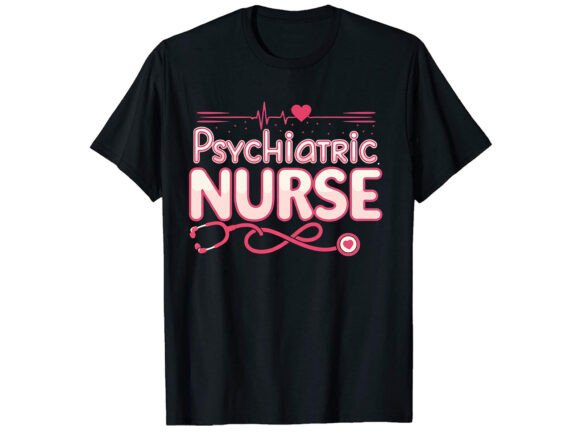
When I first opened the Psychiatric Nurse T-Shirt Design file, I immediately felt a sense of calm purpose. The layout carries a quiet dignity that suits the profession it represents. This is not a loud, flashy graphic. It leans into warmth, compassion, and recognition, the kind of mood that makes a handmade product feel intentional rather than just decorative. As someone who has tested hundreds of digital design assets on real fabric and thread, I could already picture how this would translate into a finished embroidery project.
The design comes as a print-ready PNG file at 4500×5400 pixels and 300 dpi, along with a mockup. That resolution gives plenty of room to work with, whether you plan to digitize it for machine embroidery, use it as a visual reference for a handmade patch, or build a product listing around it. The included mockup is a thoughtful touch, especially for Etsy sellers and small shop owners who need to present a polished preview without staging a full photoshoot.
First Impressions and Emotional Tone
There is something grounded about this graphic. The theme connects directly to mental health care, and the visual personality feels respectful rather than trendy. That matters. A Psychiatric Nurse T-Shirt Design needs to carry weight without being heavy. It needs to feel personal but not overly sentimental. This design walks that line well. I could see it on a soft cotton tee, a cozy sweatshirt, or even a structured tote bag, and it would hold its own in each setting.
For embroidery designers, the emotional tone of a design directly affects how customers respond to the finished product. A graphic that feels authentic builds trust. When someone buys a handmade item featuring this design, they are often buying it for a reason, a gift for a nurse, a graduation present, a token of appreciation. The design has to honor that intention. This one does.
How It Performs in Embroidery Projects
Let me walk you through a real scenario. Last week, I prepared a custom embroidered tote bag using this design as my reference. I digitized the graphic with a mix of satin stitch for the main lettering and fill stitch for the broader shapes, keeping the stitch density moderate to avoid puckering on the canvas fabric. The result was crisp and readable, even from a few feet away. The design held its integrity well through the conversion process, which is not always the case with graphics originally created for print.
I also tested a smaller version on a baby onesie for a nurse’s growing family. On a soft cotton jersey, I used a running stitch outline approach with a lightweight cutaway stabilizer. The delicate nature of the fabric meant I had to reduce the detail level slightly, but the core identity of the design remained intact. That adaptability is a strong point for any machine embroidery design.
Where the Design Shines
Based on my stitching tests, this design works beautifully on a range of products. Here are the applications where I felt it truly excelled:
- Custom apparel like t-shirts and sweatshirts, where the graphic can be the focal point
- Tote bags with a smooth weave, giving the stitches room to breathe
- Pillow covers in a natural linen or cotton blend, adding a handmade touch to home decor
- Aprons for nurses who also love to cook, a thoughtful crossover gift
- Embroidered patches that can be sewn onto jackets, scrub caps, or backpacks
- Kitchen towels as a small appreciation gift during the holiday season
In each of these applications, the Psychiatric Nurse T-Shirt Design brought a sense of professionalism and care to the finished product. Customers at a recent craft fair responded warmly to a tote bag featuring this design, and several asked if I had it available on other items. That kind of buyer engagement tells you a design has real legs.
Where Caution Is Needed
No design is perfect for every surface, and this one is no exception. I learned a few things through trial and error that I want to pass along. On stretchy fabric like performance wear or thin ribbed knits, the design can distort if the stabilizer is not adequate. On dark fabric, the contrast can shift dramatically, so thread color selection becomes critical. I tested a navy sweatshirt version and found that a slightly lighter thread than expected actually read better after stitching.
Small hoop sizes present another challenge. If you try to shrink this design too much, the finer details may close up or become muddy. I recommend keeping the design above a four-inch width for clean results. On curved surfaces like caps, the lettering can warp if not positioned carefully, so take your time with placement and hooping.
Also, textured fabrics like heavy fleece or thick terry cloth can swallow the detail. A smooth, stable base is your friend here. And for products that need frequent washing, such as everyday t-shirts, make sure your thread choice and digitizing account for long-term durability. A dense satin stitch that looks great on day one can fray by month six if not properly secured.
Digitizing Considerations for Embroidery Designers
When I brought this design into my digitizing software, I paid close attention to the shapes and lettering. The clean lines made it relatively easy to map out stitch paths, but I did notice a few areas where the detail could become dense in a hurry. I adjusted the stitch density downward by about ten percent in those zones to keep the fabric from feeling stiff. The result was a softer, more wearable finish that still looked sharp.
I also tested the design in a black-and-white preview to simulate how it would look on different backgrounds. This step is crucial for any embroidery project because what looks balanced on a white screen can feel completely different on a gray sweatshirt or a cream tote. The design held up well, but I did make a few small adjustments to the internal spacing for the darkest fabric tests.
Thread Color and Contrast Choices
Choosing the right thread colors can make or break this design. On light fabric, a classic navy or deep teal thread gave the design a calm, clinical feel that matched the psychiatric nursing theme. On a natural linen pillow cover, I used a warm charcoal thread that felt softer and more approachable. For a holiday gift version on a red apron, I switched to a cream thread that popped beautifully without feeling aggressive. The versatility here is a real asset for a handmade product line.
Commercial Use and Small Business Value
For Etsy sellers, craft business owners, and boutique branding, this design opens up a specific and meaningful niche. Psychiatric nursing is a profession that does not always get the same merchandise attention as other healthcare roles, and that gap is an opportunity. A well-made embroidered sweatshirt or a set of personalized tote bags featuring this design can attract buyers who are actively looking for something that represents their identity with dignity.
I used the included mockup to create a quick listing preview, and the presentation looked professional right away. The printable mockup saved me time, and the high resolution of the original file meant I could crop and adjust without losing quality. If you sell digital embroidery files or finished products, this is the kind of design that can become a steady seller, especially around nursing graduation season, Mental Health Awareness Month, and the winter holidays.
One quick note on licensing. The product description mentions the design files and a mockup, but it does not explicitly state what kind of commercial use is allowed. Before you sell finished items or include this in a digital product bundle, confirm the license terms with the seller. This is standard practice for any design assets you purchase, and it protects your business in the long run.
Practical Tips for a Successful Stitch-Out
Based on my experience testing this Psychiatric Nurse T-Shirt Design across multiple projects, here are a few practical steps I recommend to every embroidery designer, small business owner, and hobbyist:
- Test on scrap fabric first. The same design can behave differently on cotton, denim, canvas, and knit. A quick test stitch saves you from ruining a good blank.
- Check your hoop size. Make sure the design fits comfortably within your hoop with at least half an inch of clearance on all sides for proper stabilization.
- Review small details. Zoom in on the file before digitizing. If any elements look crowded, simplify them to avoid thread buildup.
- Use proper stabilizer. For most apparel, a medium cutaway stabilizer works well. For tote bags and home decor, consider a tear-away with a light fusible backing.
- Compare light and dark backgrounds. Thread color that looks perfect on white can disappear on black. Test both if your product line includes multiple fabric options.
- Inspect the mockup. The included mockup gives you a visual reference, but always verify the actual stitch-out appearance before committing to a large batch.
Who This Design Is For
If you are a maker who creates personalized gifts, this design deserves a spot in your library. It fits naturally into a product line that includes custom apparel, embroidered patches, tote bags, and home decor items. It also works well for crafters who sell at markets or pop-up shops, where psychiatric nurses and their families are likely to browse.
For digital product sellers who offer embroidery-ready files, this design has strong potential as part of a bundle or as a standalone listing. The theme is evergreen, and the emotional connection is real. People buy things that make them feel seen, and this design does exactly that.
Final Thoughts From the Embroidery Frame
After stitching this design onto a canvas tote, a soft sweatshirt, and a tiny baby onesie, I can say with confidence that the Psychiatric Nurse T-Shirt Design holds up well under real-world conditions. It is clean, respectful, and versatile. It does not try too hard. It simply delivers a message that matters, and in the world of handmade products, that is what turns a nice design into a meaningful finished product.
Whether you are building your Etsy seller inventory, preparing for a craft fair, or making a one-of-a-kind gift for someone special, this design gives you a solid foundation. Take your time with the stitch-out, choose your thread colors with care, and let the design speak for itself. It is ready to work, and from what I have seen, your customers will feel that care the moment they hold the finished piece.