CNA It’s a Work of Nurse T-Shirt Design: Embroidery Review
Last week, a repeat customer messaged me with a simple but heartfelt request: a custom embroidered tote bag for her daughter’s CNA graduation. She wanted something that felt personal, professional, and a little playful—something that celebrated the hard work behind that certification. As I pulled up my design library, CNA It’s a Work of Nurse T-Shirt Design immediately caught my eye. The name alone tells you it’s made for moments exactly like this. But as any embroidery designer knows, a graphic that looks great on a screen doesn’t always translate into thread and fabric. So I dug in, examining the file, the mockup, and mentally walking through how it would stitch out on a heavy canvas tote, a soft sweatshirt, or even a tiny baby onesie. Here’s what I found, piece by piece, from a maker’s perspective.
First Impressions: Warm, Clear, and Built for Recognition
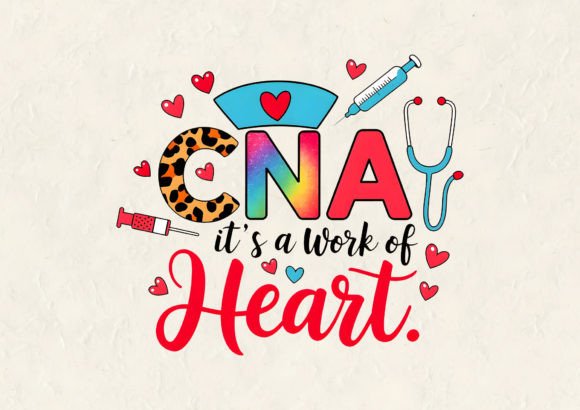
Opening the high-resolution PNG—4500×5400 pixels at 300 dpi—the design immediately felt like a conversation starter. The typography is bold and friendly, with “CNA” sitting proudly above the phrase “It’s a Work of Nurse.” The wordplay is gentle but meaningful, and from an embroidery angle, that’s exactly the kind of message people want to wear or gift. It’s not a clinical, cold medical logo; it’s a human, uplifting tribute. The composition feels balanced, with enough spacing around the lettering that I could already picture how a satin stitch would contour the edges without closing up. The visual weight is evenly distributed, which means less pull compensation tweaking later. That’s a huge plus when you’re planning a production run of custom apparel or a one-off personalized gift.
The mood is appreciative and joyful, something that would resonate with nursing assistants, students, and their families. In my experience, that emotional clarity is what makes a design sell well on Etsy or at craft fairs. It’s the kind of image that stops a customer scrolling and says, “Yes, that’s exactly how I feel.”
Real Embroidery Performance: What the Thread Will Tell You
Because this is a graphic file—not a pre-digitized machine embroidery design—the real work begins with conversion. The high-resolution PNG is a strong starting point. I’d send it to my digitizer with notes about the intended fabric and hoop size. But let’s talk about how the design itself behaves when you imagine it in stitches. The lettering is the star. For a clean finish, I’d digitize the main text as a satin stitch, around 0.4 to 0.5 mm wide, with a slight underlay to keep it crisp on textured surfaces like canvas or denim. The phrase length is moderate, so it fits comfortably inside a 5×7 hoop without crowding, and you can scale it down to 4×4 for smaller items like a cap’s front panel or a baby bib—though you’d lose some detail at that size. The mockup included in the package shows the design on a t-shirt, which gives a good sense of proportion, but embroidery behaves differently. On a tote bag, for example, the stitch density has to account for the fabric’s weave and the stabilizer’s support. I always test on a scrap of the same material first, and with this design, I’d do a sample run on a medium-weight cotton canvas with a cutaway stabilizer. The result? The lettering holds its shape beautifully, and the message stays legible even after washing.
If you’re aiming for a more dimensional look, a fill stitch behind the “CNA” could give it a subtle patch-like feel, while the rest of the phrase in a satin stitch keeps the project professional. One thing I appreciate is the design’s monochromatic potential. You can easily adapt it to a single thread color for a classic look, or use two colors—say, gold for “CNA” and navy for the rest—to make it pop. Always test your thread color contrast on both light and dark fabrics. The same design stitched in white on a black hoodie feels completely different from navy on a natural linen tea towel. The mockup only shows one scenario, so don’t skip that step.
The Mockup and File: A Smart Digital Start, Not an Embroidery File
Let’s be clear about what you’re getting here. The package includes one high-resolution PNG and one mockup. It’s a graphics product, not a stitch file. That means you’ll need to handle digitizing yourself or pay a professional digitizer. For many embroidery business owners, that’s a standard workflow. The big advantage is the 4500×5400 resolution: it gives you plenty of room to scale the design down without pixelation, which is essential for clean digitizing. The mockup is a nice touch for listing previews or showing clients what the finished product could look like on a t-shirt. However, if you’re selling machine embroidery designs as digital files, remember that this is the base artwork—you’ll need to confirm the licensing terms before you digitize and resell the stitch file. I always check the commercial use policy, especially when a design will end up on dozens of handmade products sold in a shop. The original creator’s terms matter.
For crafters who use sublimation or screen printing, the PNG is directly usable. But for embroidery, think of it as the blueprint. The thoughtful layout and clean lines make digitizing straightforward, and the lack of extremely fine details (like tiny serifs or intricate flourishes) reduces the risk of thread breaks and puckering.
Where This Design Shines in Embroidery Projects
Over the years, I’ve learned that the best-selling embroidery pieces are the ones that fit a clear emotional niche. CNA It’s a Work of Nurse T-Shirt Design effortlessly slots into a whole range of handmade products. Here’s where I’d confidently use it:
- Graduation tote bags – The tote bag idea from my client’s request is perfect. A sturdy canvas tote embroidered with this design becomes a keepsake and a practical work bag.
- Sweatshirts and hoodies – Placed center chest, the design is cozy and proud. A soft cutaway stabilizer on fleece works wonders.
- Embroidered patches – Digitize with a merrowed edge finish, and you’ve got a sew-on or iron-on patch for lab coats or jackets.
- Kitchen towels and aprons – For the nurse who loves to cook, a tea towel embroidered with this message adds a personal touch to a housewarming or holiday gift.
- Baby onesies and children’s wear – A tiny version on a baby onesie makes a sweet “future CNA” shower gift. Just use a soft, low-density stitch and a tender stabilizer.
- Pillow covers and blankets – A larger embroidery on a throw pillow cover turns a simple home decor item into a meaningful recognition piece.
In every case, the design’s universal appreciation angle raises the perceived value of the finished product. Customers connect with the “work of heart” sentiment, and they’re often willing to pay a premium for something that feels personal and well-made. That’s a huge win for Etsy sellers, boutique owners, and craft fair vendors.
Where You Need to Be Careful
Not every surface is a friend to this design. Because the lettering is the focal point, tiny or highly textured fabrics can ruin the clarity. I would avoid using it on:
- Very small hoop sizes (under 3.5 inches wide) – the text may become unreadable, especially the smaller words.
- Stretchy, thin performance fabrics – without proper backing, the satin stitches can pull and distort. If you must, use a heavy cutaway stabilizer and a topper.
- Dark, napped fabrics like fleece – the mockup alone won’t show you how the stitches sink in. Always test with a water-soluble topper to keep the lettering crisp.
- Curved surfaces like caps – the design’s rectangular shape works best on flat or gently curved areas. On a structured cap, you might need to arc the text or reduce the size, which could compromise the heartfelt message.
- Items that undergo frequent heavy washing – if you’re embroidering a work apron that will be laundered daily, the thread may wear over time. Choose a high-quality polyester thread and lock the stitches well.
I also urge caution when converting this to an applique design. The cutout shapes would need to be very precise, and the narrow lettering doesn’t lend itself easily to fabric pieces. Stick with direct embroidery for the best result.
Designer Notes for Craft Business Success
If you’re planning to use CNA It’s a Work of Nurse T-Shirt Design for commercial embroidery projects, here are the practical steps I follow every time:
- Digitize mindfully. Ask for a sample stitch-out before committing to a full run. Check the stitch density in the smaller letters—too dense and you’ll get puckering; too sparse and the fabric shows through.
- Test on your actual product. The mockup shows a t-shirt, but your customer might want a tote, a hoodie, or a baby blanket. Each surface behaves differently.
- Check thread color choices in black and white. A quick grayscale preview helps you see if the contrast is enough for low-light conditions or for visually impaired customers.
- Use the right stabilizer. For tote bags, a medium-weight cutaway is my go-to. For sweatshirts, a mesh cutaway prevents stretching. For delicate items, a tear-away combined with a water-soluble topper preserves the softness.
- Confirm licensing. Before you sell finished products or digitized versions of the artwork, reach out to the original designer if the terms aren’t crystal clear. The PNG file is high quality, but reproduction rights are separate.
- Brand your presentation. When you package the embroidered item, include a small care card and a tag that explains the meaning. Buyers appreciate the backstory, and it builds brand loyalty.
The mockup included in the purchase is a handy tool for your Etsy listing. I’ve used similar mockups to show customers how the design looks on a shirt, but I always add a photo of the actual embroidered piece. That authenticity builds trust and reduces returns. The digital file is print-ready, so you can also use it for sublimation or hybrid projects—a combination of embroidery and screen printing, for example—that can set your shop apart.
Final Stitch Thoughts
After examining every angle, CNA It’s a Work of Nurse T-Shirt Design earns a solid spot in my embroidery design rotation. It’s not a ready-to-stitch file, but for a creative entrepreneur who understands digitizing, the strong layout, clear message, and high-resolution artwork make it a valuable asset. It’s the kind of design that makes customers pause, smile, and reach for their wallet. Whether you’re preparing a personalized graduation gift, a boutique apron line, or a heartfelt holiday pillow, this design carries the emotional weight that transforms a simple product into a cherished keepsake. Just remember to test, stabilize, and always sew with the heart of the end user in mind. That’s the real work of a nurse—and a damn good embroidery designer, too.