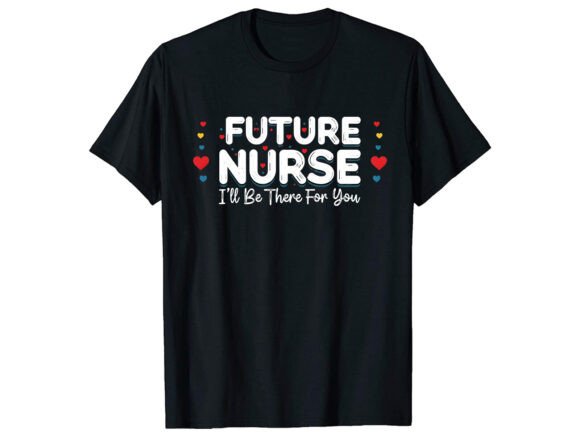
A Real-Project Review of the Nurse Psychologist T-Shirt Design
First Impression: Clear, Warm, and Professionally Calm
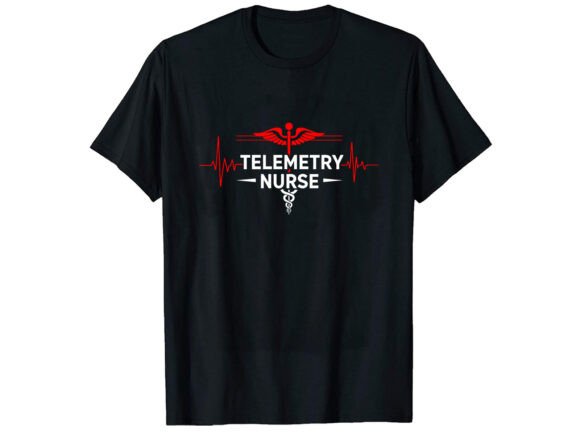
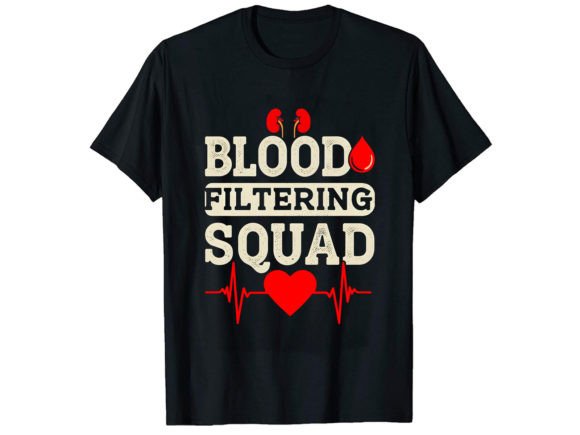
The first thing that struck me about this design was its mood. It’s not a loud or flashy graphic. Instead, it creates a sense of calm, warmth, and professional recognition. The layout feels balanced, and the theme is instantly understandable. This visual personality is perfect for an embroidery project meant to honor or celebrate someone in this caring field. It belongs on items meant to be worn or used with pride, not just as casual decor.
Where This Design Finds Its Natural Home
In real-life embroidery situations, this design shines on products that carry a personal or professional message. I immediately pictured it on a custom embroidered sweatshirt for a graduate, a tote bag for a clinic worker, or a subtle patch on a lab coat. It would be a thoughtful touch on a pillow cover for a nurse’s lounge or a kitchen towel as a heartfelt holiday gift. For small business owners, especially those catering to healthcare professionals or creating personalized gifts, this graphic is a solid asset. It lends itself well to Etsy listings for custom apparel and would feel cohesive in a boutique’s lineup of professional-themed merchandise.
The inclusion of a mockup file is a practical boon for digital product sellers and crafters creating printable mockups for their shops. It helps visualize the finished product quickly, which is crucial for buyer engagement.
Navigating the Practicalities of Stitching This Design
When thinking about actually running this embroidery file, a few considerations come to mind. The design’s detail level, from the text to any emblematic elements, requires attention. For machine embroidery, stitch density and clarity on small lettering are key. On textured fabrics like a sweater, or stretchy fabric like a t-shirt, you’ll need the right stabilizer to keep everything crisp. Dark fabric backgrounds demand careful thread color contrast planning to ensure the design pops.
Projects That Demand a More Careful Approach
Some applications need extra forethought. Embroidering this onto a curved surface like a cap requires checking how the design’s layout adapts. On very small hoop sizes, you might lose some fine detail. For products destined for frequent washing, like baby clothes or everyday aprons, you want to ensure the stitching is secure and the thread colors are durable. The design’s appeal relies on its clarity, so on thin fabric or layered garments, testing first is non-optional.
How This Embroidery Design Elevates Your Finished Product
From a professional designer’s point of view, using a design like this affects more than just aesthetics. When stitched well, it enhances the product’s perceived value and craftsmanship. For a handmade presentation, it adds a layer of professionalism and brand consistency if you’re a small shop specializing in such themes. Its recognizability boosts giftability—a recipient immediately understands the sentiment. This builds customer trust; they see a thoughtful, well-executed product.
For commercial embroidery projects, whether for a local clinic’s uniforms or merchandise for a psychology practice, it offers a clean, reputable asset. The high-resolution PNG file provided means it can scale well for various uses, from a small mug print to a larger banner, maintaining quality.
Essential Designer Notes Before You Hoop the Fabric
Before committing this design to a client’s custom apparel or your own craft business items, do your groundwork. Always test the design on scrap fabric first, ideally the same type you’ll use for the final project. Review the stitch density in your software; are there areas too dense for a lightweight t-shirt? Check thread color contrast against both light and dark fabric backgrounds—sometimes a black and white mockup can reveal issues. Inspect the small details; will they remain clear at your intended hoop size?
Confirm the licensing terms for this digital embroidery file. Can you use it for both personal and commercial projects? This is critical before selling finished items like embroidered patches or baby embroidery gifts. Use proper stabilizer for the fabric texture. And remember, a design’s visual appeal on screen is different from its stitching clarity on fabric. A little prep avoids compromising the handmade product’s quality.
A Real-Life Scenario: Crafting a Gift for a Dedicated Nurse
Let’s say a customer requests a custom embroidered tote bag for a nurse psychologist retiring after decades of service. This design is a contender. Its professional calm tone fits the occasion perfectly. You’d consider stitching it on a durable canvas bag, perhaps in a subtle navy thread on a light background. The design’s clean layout would embroider beautifully without overwhelming the bag’s surface. The mockup helps the customer visualize it immediately, building trust in your service. The finished product feels personal, respectful, and high-value—exactly what a meaningful gift should be.
For your own small shop merchandise, perhaps a line of holiday gifts for healthcare workers, this embroidery design could be a cornerstone. Stitched onto a cozy blanket or a classic apron, it connects with a specific audience, enhancing your shop’s recognition and buyer engagement.
In the end, the Nurse Psychologist T-Shirt Design is more than just a graphic file. It’s a design asset with emotional weight and practical potential. Its success hinges on your skill as an embroiderer and your understanding of its best applications. With careful planning and a focus on quality execution, it can become a standout element in your embroidery projects, from personalized gifts to commercial embroidery offerings.