The Best Nurses Have Design: An Embroidery Review
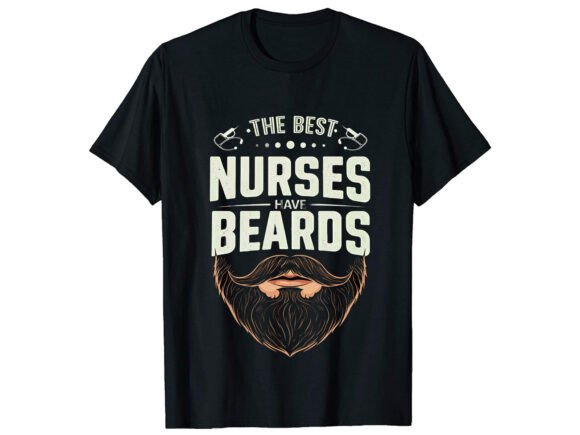
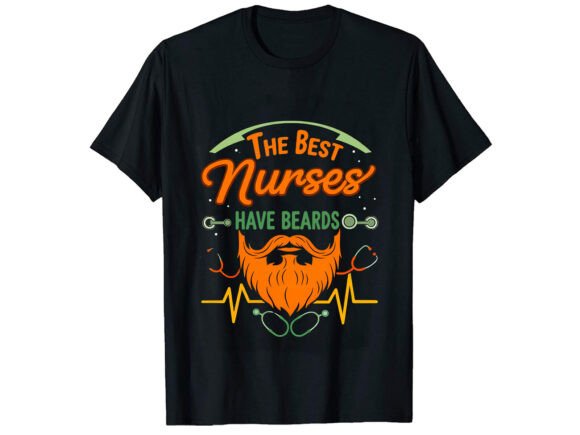
When I first opened The Best Nurses Have T-Shirt Design, I immediately felt that warm, grateful energy that makes nurse-themed products so meaningful. The layout reads like a badge of honor, something you would proudly stitch onto a tote bag or a cozy sweatshirt and hand to someone who deserves recognition. As an embroidery designer who has tested hundreds of digital files on real fabric, I know that sentiment alone does not guarantee a clean stitch-out. The shape, the lettering weight, the overall balance, and the negative space all matter once thread hits fabric. This design has a confident typographic presence that leans into a bold yet approachable style, the kind of visual personality that works beautifully for personalized gifts, boutique merchandise, and small shop products.
What struck me right away was the way the phrase "The Best Nurses Have" sets up an emotional pause. It invites the viewer to finish the thought, and that curiosity makes it memorable. From a craft business perspective, that kind of engagement is gold. Customers browsing Etsy listings or scrolling through a craft fair booth react to designs that feel like a statement rather than just decoration. The The Best Nurses Have T-Shirt Design carries that statement quality, and that alone raises its value as a finished product.
The Mood This Design Creates Before a Single Stitch
There is a quiet pride in this design, something that feels less like a generic appreciation slogan and more like an inside compliment among healthcare workers. The typography feels grounded, not overly delicate or frilly, which is important when you think about who wears nurse-themed apparel. Many nurses I have worked with prefer designs that are heartfelt but not overly sentimental. They want something they can throw on a hoodie, a cap, or a canvas tote without feeling like they are wearing a greeting card. This design strikes that balance. The shape suggests it would hold up well as a left-chest embroidery on a t-shirt or a centered placement on a tote bag. I can already picture it stitched in a soft navy thread on a heathered gray sweatshirt, subtle but unmistakable.
Where This Design Naturally Belongs in an Embroidery Project
After studying the layout and the visual weight of the lettering, I would place The Best Nurses Have T-Shirt Design into several real-world embroidery categories. First, custom apparel. Think crewneck sweatshirts, long-sleeve tees, and lightweight hoodies. The design feels right at home on casual wear that someone would actually live in during a long shift recovery day. Second, personalized gifts. A stitched version of this on a linen pillow cover or a kitchen towel would make a thoughtful holiday gift for a nurse friend or family member. Third, tote bags and zippered pouches. The scale seems adaptable enough to work on a medium-sized canvas tote, especially if you adjust the hoop size carefully. I would also consider this for embroidered patches, where the design could be stitched onto felt or twill backing and sold as a standalone iron-on or sew-on patch. That opens up a whole other product line for a small shop owner.
For baby items, I would pause and think carefully. The phrase itself is not baby-specific, but I have seen nurse parents adore receiving baby onesies or tiny jackets with a mini version of a nurse-themed design. In that case, scaling down becomes critical. The The Best Nurses Have T-Shirt Design would need to be tested in a smaller hoop size to see if the lettering remains legible after stitching. Tiny lettering on stretchy baby fabric can quickly turn into a blurry mess if the stitch density is not adjusted. I would always run a test stitch on scrap fabric before committing to a delicate baby item.
How the Design Performs in Real Embroidery Scenarios
Let me walk you through a real scenario I encountered last month while preparing a custom embroidered tote bag for a nurse appreciation event. A client wanted something that felt personal but not overly customized, something that could be produced in small batches and still feel special. I tested a few typography-based designs, and a piece similar in spirit to The Best Nurses Have T-Shirt Design ended up being the winner. The reason was simple. The lettering had enough presence to stand alone without needing additional decorative elements. When you stitch a design like this onto a textured fabric like a canvas tote, the satin stitch on the letters needs to be dense enough to cover the fabric weave but not so dense that it causes puckering. That balance is everything. Based on the visual weight of this design, I would estimate it needs a medium to heavy cutaway stabilizer on stretchy fabrics and a tear-away stabilizer on woven fabrics like cotton canvas or linen.
For caps, I would approach with caution. Curved surfaces like baseball caps can distort typography if the design is too wide or if the lettering sits too close to the seam. The The Best Nurses Have T-Shirt Design might work on a cap if it is positioned carefully and if the hoop can accommodate the curve without warping the text. I would test it on a structured cap first, using a cap hoop and a topper to prevent the stitches from sinking into the fabric texture. On unstructured caps, I would likely skip this design unless the scaling is reduced significantly.
Fabric, Thread, and Color Choices That Matter
One of the first things I do when evaluating a design for embroidery is visualize it in thread on different fabric backgrounds. A design that looks crisp on a white mockup might lose all contrast on a dark heather gray or black fabric. With The Best Nurses Have T-Shirt Design, the typography is the star, so thread color choice becomes critical. I would recommend high-contrast thread combinations. Light thread on dark fabric, dark thread on light fabric. If you are stitching on a medium-toned fabric like sage green or dusty blue, test the design in a cream or off-white thread first. Avoid thread colors that blend too closely with the fabric background, because the lettering needs to be instantly readable. That readability is what makes the design feel professional rather than homemade in a way that hurts perceived value.
On textured fabrics like waffle knit or French terry, the stitch clarity can degrade quickly. I have learned this the hard way. A beautiful design can look muddy if the fabric texture competes with the thread. For sweatshirt embroidery, I always use a water-soluble topper on top of the fabric to prevent the stitches from sinking into the nap. This is especially important for lettering-heavy designs like The Best Nurses Have T-Shirt Design. The topper keeps the edges crisp and the satin stitch smooth. After stitching, you simply tear away or rinse off the topper, and the result looks clean and professional.
What This Design Means for a Craft Business or Etsy Shop
If you sell handmade products or digital embroidery files, the appeal of a nurse-themed design is evergreen. Healthcare workers are always looking for meaningful gifts, and their friends and families are always searching for something that feels personal. The The Best Nurses Have T-Shirt Design fits into a product lineup that includes embroidered apparel, tote bags, patches, framed hoop art, and even seasonal holiday gifts. I can see this stitched onto a tea towel as part of a nurse appreciation gift basket, paired with a candle and a handwritten note. That kind of curated product sells well at craft fairs and on Etsy, especially when the embroidery looks crisp and intentional.
One thing I always remind fellow makers is to check the licensing terms before selling finished items or digital products. Even if a design is labeled as a commercial embroidery design, the specific usage rights can vary. Some designers allow finished product sales but prohibit reselling the digital embroidery file itself. Others require attribution or limit the number of physical items you can produce. Before you invest time in stitching out The Best Nurses Have T-Shirt Design for a client order or a shop listing, confirm the license covers your intended use. This protects your business and respects the original designer's work.
Practical Notes for a Smooth Stitch-Out
Over the years, I have developed a mental checklist for any new design I bring into my embroidery workflow. First, I always test the design on scrap fabric that matches the final product as closely as possible. This means if I plan to stitch on a heavyweight cotton tote, I test on a similar weight cotton scrap. Second, I check thread color contrast in natural light and under indoor lighting, because what looks great in the embroidery room might look washed out in a customer's home. Third, I review the stitch density. Typography designs with tight letter spacing can become tangled if the stitch density is too high. Look for areas where letters might overlap or where small details might close up. Fourth, I confirm the hoop size. The design needs to fit comfortably within the hoop without crowding the edges, which can cause registration issues. Fifth, I test the design in a black and white mockup, stripping away color to see if the shape and composition still hold up. This is a trick I learned from a veteran digitizer, and it reveals whether a design relies too heavily on color rather than structure.
For The Best Nurses Have T-Shirt Design, I would also recommend testing it on both light and dark fabric backgrounds, even if you think you know which one you will use. The design might surprise you. Sometimes a design that looks bold on white feels softer and more intimate on a heathered oatmeal fabric, and that shift in mood can open up new product ideas you had not considered.
The Emotional Hook That Makes This Design Sell
Beyond the technical stitching considerations, there is a deeper reason this design works. Nurses are tired of generic appreciation. They have heard "healthcare hero" so many times it has become background noise. The phrase "The Best Nurses Have" feels different. It feels like the start of a conversation rather than a slogan. It invites the wearer to fill in the blank, and that personal interpretation makes the design feel uniquely theirs. When a customer sees this on a sweatshirt or a tote bag, they do not just see a design. They see a reflection of someone they love. That emotional connection is what turns a simple embroidery project into a bestseller. It is what makes a handmade product feel worth the price, and it is what keeps customers coming back to your shop.
I have seen this pattern repeatedly in my own craft business. Designs that leave room for the viewer's imagination tend to perform better than designs that spell everything out. The The Best Nurses Have T-Shirt Design understands this instinctively. It trusts the audience to complete the message, and that trust builds a stronger bond between the product and the person who buys it.
Final Thoughts Before You Stitch
If you are an embroidery designer, a small business owner, or a maker preparing for a craft fair or an Etsy shop update, The Best Nurses Have T-Shirt Design is worth a serious look. It is not a complicated design, but it does not need to be. The strength is in the simplicity and the emotional weight of the phrase. Approach it with a thoughtful stabilizer choice, test your thread colors carefully, and pay attention to fabric texture. Scale it appropriately for the product you have in mind, whether that is a structured cap, a soft baby blanket, or a sturdy canvas tote. And always, always confirm the licensing before you sell. A little preparation on the front end saves a lot of trouble later.
This design has the potential to become a staple in your embroidery library, the kind you return to again and again for nurse appreciation gifts, holiday orders, and custom apparel requests. It carries a quiet confidence that stitches out beautifully when handled with care, and that is the mark of a design worth investing in.