A Practical Review of the Love Nurse Embroidery Design
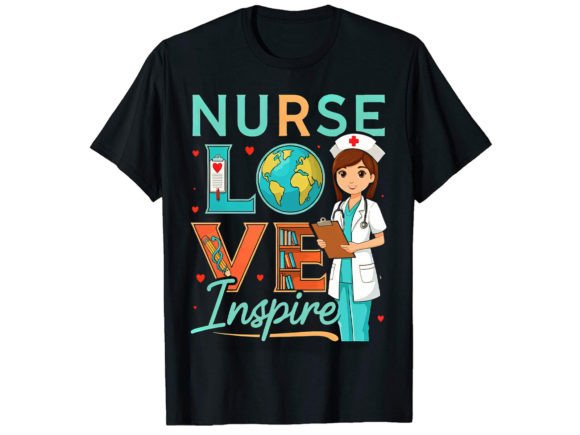
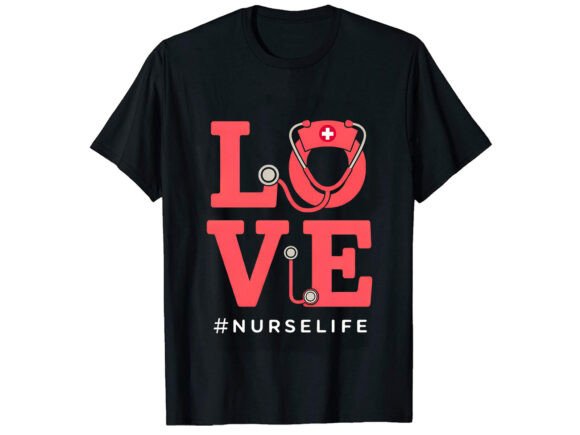
When I first look at the Love Nurse design, I feel an immediate warmth. This isn’t just a graphic; it’s a character. The soft, rounded lettering and the cheerful central figure create a mood that’s both professional and deeply affectionate. For an embroidery designer, that first impression tells me this design is built for projects where emotion is the product. The layout is clean and centered, which makes it a natural fit for hoop work, and the detail level is thoughtful—not overly dense, which is a key consideration when translating a digital file into physical stitches.
The Design's True Home: Where This Embroidery Belongs
In my hands, this becomes more than a T-shirt design. I’m thinking of a custom embroidered sweatshirt for a nurse graduating from her program, or a tote bag for a healthcare worker who carries their heart for the job. The scale of the provided PNG file suggests it’s ready for sizable projects, and that versatility is its greatest strength. I can easily envision it on a baby onesie as a gift for a neonatal nurse, or as a finely stitched patch on a cap. For small business owners and Etsy sellers, this design acts as a ready-made asset for creating personalized gifts that feel specific and meaningful, far beyond generic text.
The mockup file included is a smart addition for crafters selling digital products or previewing their handmade items. It allows you to visualize the final embroidered product on a garment quickly, which builds customer trust and engagement in your listings. For apparel decorators, this design naturally extends to hoodies, aprons, and even pillow covers for a nurse’s break room. Its visual personality is consistent and strong, aiding brand consistency if you’re building a line of healthcare-themed merchandise.
Navigating the Stitching Reality: Practical Application Notes
Performance on real fabrics is the true test. On a medium-weight cotton like a classic tee or tea towel, this design should stitch out with excellent clarity. The larger elements and open spaces in the lettering are a good sign for manageable stitch density. However, on stretchy fabric or a textured knit for a sweatshirt, you’ll need a proper stabilizer to keep those smooth curves crisp. For dark fabric backgrounds, the design’s inherent positive space means you’ll need to think critically about thread color contrast—a bright white or a soft pastel might make it pop beautifully.
Where I would proceed carefully is on very small hoop sizes or items with curved surfaces like caps. Some of the smaller decorative accents and the interior details of the central figure could become lost or overly dense if scaled down too much. Always test on scrap fabric first. Similarly, on thin fabrics intended for baby clothes or delicate kitchen towels, you’ll want to review the stitch density in your embroidery software to ensure it won’t pucker or weigh down the material. The design’s charm relies on its clean presentation; a poorly executed stitch can undermine that completely.
From File to Finished Product: Maximizing Value and Appeal
Using this design effectively boosts the perceived value of your finished product. An embroidered tote bag with this motif feels like a thoughtful, handmade gift rather than a simple promotional item. For creative entrepreneurs, it elevates a basic mug or apron into a boutique product. The recognition factor is high—it speaks directly to a community—which enhances its giftability for holidays, weddings, or just as a token of appreciation.
Professionalism comes from execution. The high-resolution file provided is crucial for clear digitizing into an embroidery file. Before running the machine, I always advise checking how the design converts in black and white mockups to understand its silhouette, and comparing how it looks on both light and dark backgrounds in your software. This step ensures stitching clarity and saves you from a disappointing final product. For commercial embroidery projects, like a batch of shirts for a clinic, this design’s straightforward layout means efficient production and consistent results across multiple items.
Essential Designer Checks Before You Hoop the Fabric
My final notes are those I give myself before every project. First, confirm the licensing for this graphics file. Can it be used for both personal and commercial projects? This is vital for Etsy sellers and small shop owners selling finished items. Second, inspect the small details in the design file—are there any tiny corners or lines that might not translate well into satin stitch or fill stitch? Adjust them in your digitizing software if needed.
Plan your thread colors with the end-use fabric in mind. A vibrant red on a heather gray sweatshirt might be perfect, while a softer pink on a white baby blanket could be lovely. Remember, the fabric texture interacts with the stitches; a smooth pima cotton shows detail brilliantly, while a fleece-backed hoodie might soften the effect. Finally, think about the product’s life: if it’s an item needing frequent washing, like a kitchen towel or a child’s apparel, ensure your stitch choices and stabilizers are durable. The Love Nurse design has the potential to create lasting, cherished items—your craftsmanship is what unlocks it.
In essence, this design is a robust, emotionally resonant asset. It’s not just a graphic; it’s a blueprint for a meaningful embroidery project. By approaching it with a practical, observant eye—testing, adapting, and considering the final product’s context—you can turn it into something that truly stitches love into every thread.